Inspirational Stories
Life is __________.
Written by Robert
Everyone has their own answer for this phrase based on their own experiences, and everyone is right because it is their experience. Many years ago, I heard someone complete this phrase by explaining that life is not just what you plan and work out using a formula, good career decisions, having the right connections, etc…. But, life is the interruptions. In other words, some of the biggest tests and outcomes in life occur when they happen without plan or expectation, and when they come seemingly out of nowhere.
Prior to my diagnosis, life was good. Of course it had it’s challenges, but I was prepared to face them. I had relatively good health, a good career, a loving family…in many ways my life was very stable and obstacles were just meant to be worked through and overcome.
When I received my diagnosis of Non-Hodgkin’s Lymphoma in early 2021, we were all learning how to get through the Covid existence. Although a surprising diagnosis, as I was feeling fine and had no ailments other than a lump that appeared on my neck, it was just going to be another challenge to overcome. I remember talking with my hematologist, saying that I had intended on living a long life. After all, I had plans! Life was busy, but I was in control. This was just another obstacle, right? Life keeps you busy.
The process of diagnosis, treatment and gaining information about my newfound illness was all so quick. Given that it was an aggressive lymphoma, I was in an appointment with my hematologist/oncologist within 2 days and had begun treatment within a few weeks. It was a new challenge, a new experience. I’ve had challenges before… I figured them out. I tripped up at times, sure, like everyone else, but I managed to always be successful and come out on top. Sure, there was a lot more at stake this time, but I was game. Life is a game.

Chemotherapy treatments over the next few months were tough, but they were bearable. I slept a lot, relied more on family and friends, tried to work, but my mind and body wouldn’t cooperate. As a result, I had to go on a medical leave. But this was going to be a short interruption… it was going to be manageable. Life was still waiting to be lived.
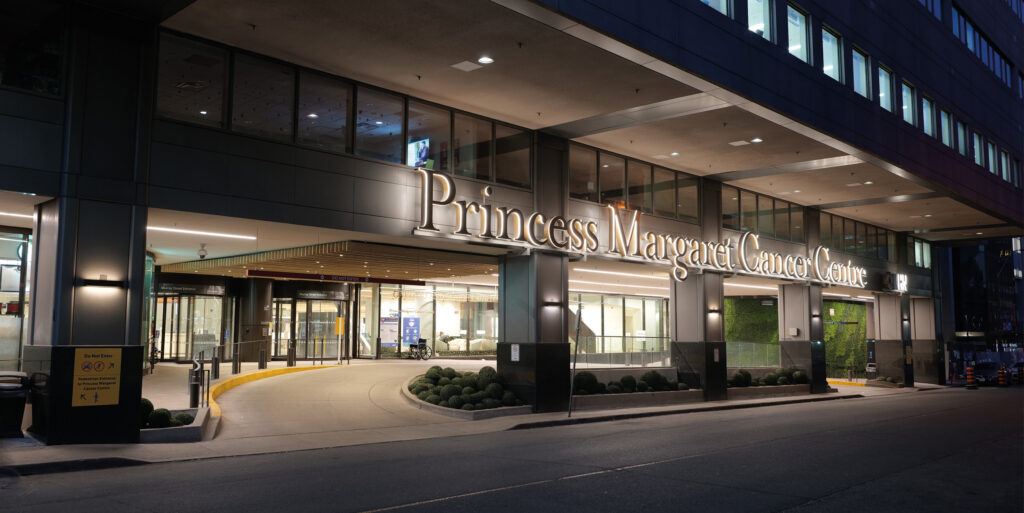
The staff at Princess Margaret Hospital were incredible to say the least. Like a clock, they seemed to function meticulously, accurately and oh so organized, in spite of the fact that there were so many people to manage: faces that were filled with fear, resignation, hope, concern. But I was going to get through this…. just show me the path and I’ll be back to a normal life in no time. I just had to show up, spend a day every three weeks hooked up to an IV pumping those chemotherapy drugs in me that were going to make everything better, learn to live with the (hopefully) short-term nausea and fatigue, and then move on with life. Life is like clockwork.
Towards the end of treatment, scans were completed. Yay, the cancer was gone and I did not have to go through the last treatment session. I was so glad…I didn’t want to share with those around me that I didn’t think I had it in me to do one more treatment…chemo was taking everything out of me and I almost felt I had nothing left. Physically, I felt I was at rock-bottom… I truly felt my body and my soul were broken. I was weak, constantly tired, at times unable to finish sentences because it took too much energy. All I needed now was to get back to normal and life will be good. Life is about hope.
The next stage…. recovery. I asked my hematologist “how long will it take before I’m back to normal, before I can go back to work and a regular life?” The answer was along the lines of “hmmm, ahem, well, everyone is different and everyone recovers differently… some people go back to work after 3 months, and some people never go back.” I only heard the part that “some people go back to work after 3 months”… this was going to be me.
Friends, family and acquaintances were all mostly supportive, to the point that they could understand (can anyone really understand without going through something?). I was grateful for the support. The regular and constant question was “when are you going back to work?”, to which I answered regularly “hopefully in 2-3 months.” 2-3 months later, I was in no shape to go back to work. Although the fatigue improved somewhat, there were still some issues with stamina, cognitive challenges and even confusion. I was surprised at myself that I did not have the energy to be patient and understanding of those around me, which was uncharacteristic. “2 or 3 more months and I should be back at work” I would continue to tell my employer and those around me. And the cycle began, in that every 2-3 months I was not ready to go back. I had learned about the term cancer fatigue and brain fog – I was beginning to think I was the poster child. The cycle of expecting to go back to work soon but not being able to, continued, over and over. After awhile I wondered if it were just me… was it all in my head? Am I just out of practice? Do I just need to force myself to work harder at things? Life can sometimes be wearisome.
I engaged with various health practitioners, trying various supplements and treatments hoping it would make a difference with my fatigue levels. And after months and months of interventions, nothing was different. It was becoming clear to me in comparison to our vast understanding of cancer and how to treat it, the understanding of recovery from chemotherapy treatment seemingly paled in comparison. There was no clear, quick path… at least it did not seem so. Treatments varied. Maybe they worked for some…. they weren’t working for me. One practitioner encouraged me to eat 3 dark chocolate bars every day as there was research that showed dark chocolate can help with energy and fatigue levels. Life can be confusing.

I began the cycle of trying something new, seeing little to no change, going into a bit of a depression, and then trying something new again. I searched and searched for something different, something evidence-based, some intervention that truly understood cancer fatigue and related challenges. I sought out numerous interventions and informed my medical team and insurance company of them, to which they pretty much said “sure, sounds great.” Everything was a shot in the dark with the hope that it would facilitate positive results, but these results were not happening. Often practitioners in these fields were using interventions that they used for other maladies, hoping that there would be some benefit for me. But they were not. It began to feel like no one seemed to truly understand what I was going through and that the fatigue issues related to cancer treatment was obscure and not within the scope of treatment. The idea of going back to work did not even seem like a goal anymore. I stopped answering the question of when I was going back, and people stopped asking. It felt like I finally needed to come to the difficult conclusion that life will never be the same, and that I would need to learn to live my life differently than I had, with fatigue and cognitive and physical challenges. Life can be humbling.
As I continued my own research and exploration of how to deal with cancer fatigue, I came across an ad for Cancer Fatigue Services (CFS). Was this just another clickbait ad with empty promises? I quickly went to the webpage with cautious optimism. It looked promising, and so I decided to try one more intervention. After an assessment and discussion with members of the CFS team, I began to feel that finally there was some understanding of what I was going through and that it wasn’t just in my head. I decided to commit to the program not knowing what to expect. Life is about taking risks.
With CFS, I got the validation that cancer fatigue is indeed real and not just in my head. I was presented with the challenge of a professional exercise plan that was tailored to my circumstances, my physical abilities, and was adjusted as I progressed …something that you hear about that only professional athletes have access to. It was a plan that wasn’t going to break the bank. I now had an intervention that was going in the right direction. I was finally getting answers to questions, answers that were steeped in research. Life can be fortuitous.
As I reflect on my experiences with CFS, I am reminded of the critical impact of working with professionals who are knowledgeable, caring, empowering and compassionate, and how this approach has contributed to overall wellness for me. I continue to experience a true partnership with CFS, as they truly understand what it is like living with cancer fatigue. Although some levels of fatigue still persist, I feel stronger and my stamina has improved.
Life is not the same after a battle with cancer. The hard reality is that this interruption has changed me and requires me to approach life in a new way. Having a powerful intervention like CFS has contributed significantly how I now continue with this journey.
Life is…. life.


Inspirational Stories

From Exhausted to Empowered: How I Took My Life Back
This story reminds us: surviving cancer is just the beginning. Healing takes time, support, and understanding.
Healthcare Providers

Clinician’s Perspective: Dr. Martin Chasen on Cancer-Related Fatigue
Families & Caregivers
Support & Caregiving Tips