Community & Advocacy
The Identity Mirror: Who We Become After Cancer
There’s a moment for many survivors as I’ve learned to understand – whether it happens months or years after treatment — when you catch your own reflection and feel a quiet shift. You’re still “you”, but not quite the same. Cancer has a way of nudging itself into our identity, whether we asked it to or not.
The idea of “Survivor Identity” is common, but it isn’t one-size-fits-all. Some people embrace the term. Some prefer “someone who had cancer”. Others cycle through different labels as their relationship with survivorship evolves. Identity after cancer can affect us in a number of ways: well-being, confidence, and how we re-enter the world. It can shape how we view our bodies, our strengths, and our futures.
The mirror reflects both a before and an after — and sometimes, the tension between them.
I’ve felt that myself. After multiple diagnoses, and surgeries, there were days when the reflection looking at me felt like a stranger. Even harder were the times I saw the man before cancer, wanting to warn and protect him from what was coming. Other days, I saw someone rebuilt — quieter in some ways, louder in others, but undeniably changed.
That mix is part of the survivor experience, and it transcends age, gender, orientation, background or diagnosis.
Everyone who’s faced cancer learns that identity becomes something you revisit, not something you leave on autopilot.
But here’s the hopeful part: identity after cancer isn’t only shaped by what happened to you — it can also be shaped by what you choose next.
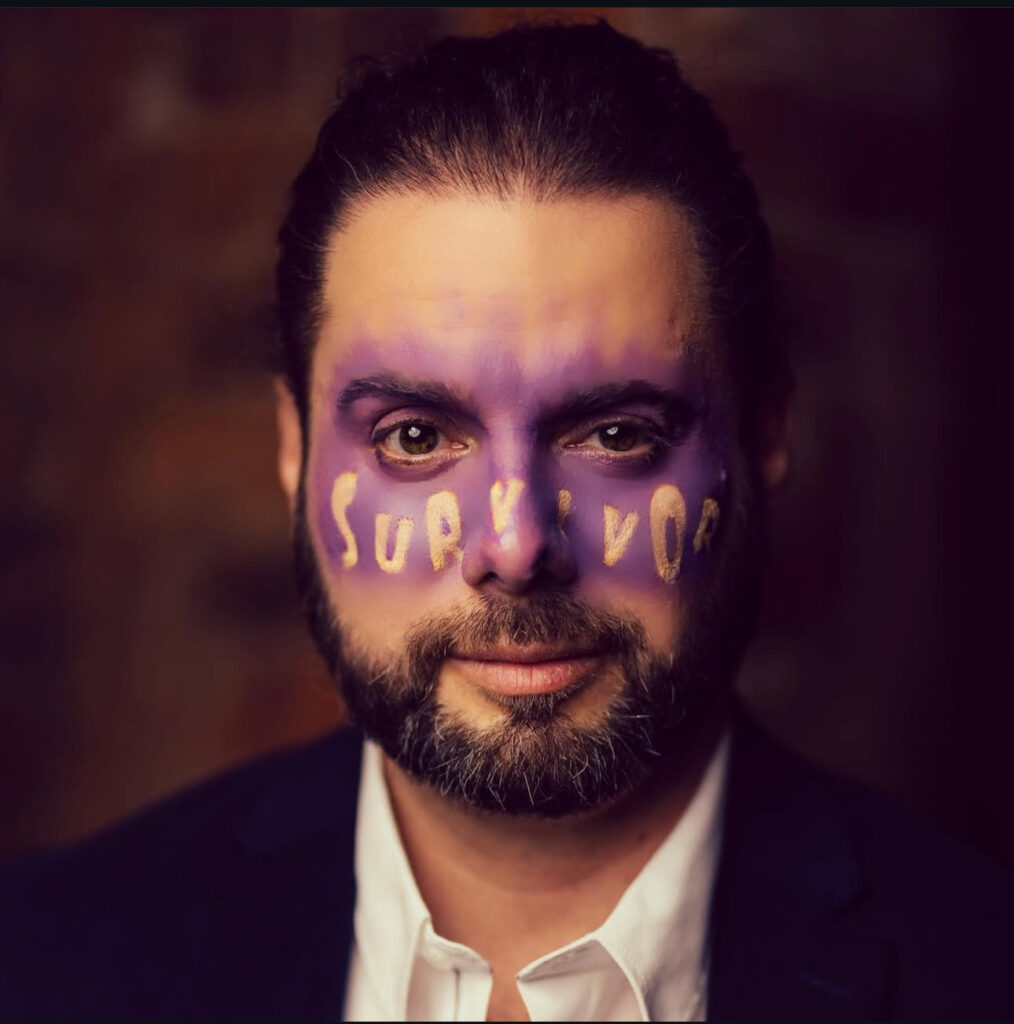
If you’re in that stage of looking for your own “identity mirror,” here are a few grounding strategies that have worked for me:
- Name your identity on your terms. Whether you see yourself as a survivor, a thriver, someone who endured, or simply yourself — your definition is valid.
- Connect with others who get it. Community normalizes what feels isolating. Hearing your own thoughts reflected back helps you feel less alone.
- Allow evolution. Your identity doesn’t have to stay fixed. It can shift as you heal, as you grow, and as life changes around you.
- Explore meaning. Creativity, advocacy, leadership, storytelling, caregiving, or restarting something you paused — purpose after cancer can look like many things.
- Seek support when needed. Mental health professionals familiar with survivorship can help navigate the emotional layers behind identity changes.
Most importantly: Give yourself grace. You are allowed to grow beyond what happened to you. You are allowed to carry parts of the old you and the parts of the new you. You are allowed to be complicated, evolving, unfinished, and still whole.
So the next time you look in the mirror, and ask yourself gently:
“Who am I becoming?”
You may find the answer is richer and more resilient than you expected.
—
Written by: Peter Laneas
Advocacy & Engagement Lead
Cancer Fatigue Services


Inspirational Stories

Life is __________.
Community & Advocacy

Men and Fatigue: Breaking the Silence
Families & Caregivers