

Healthcare Providers

Clinician’s Perspective: Why I Value Comprehensive Assessments for Cancer-Related Fatigue
Cancer-related fatigue is the most common and most disruptive symptom people face during and after cancer treatment — yet it often receives little dedicated attention in routine medical care. In this Clinician’s Corner article, Dr. Abeer Majid shares why comprehensive, unhurried, evidence-based assessments are essential to understanding fatigue and supporting meaningful recovery.
Healthcare Providers

Clinician’s Perspective: Dr. Martin Chasen on Cancer-Related Fatigue
In this Clinician’s Corner feature, oncologist and palliative medicine physician Dr. Martin Chasen talks with our advocate Peter Laneas about his journey from South Africa to Canada and the lessons he’s learned in managing cancer-related fatigue. He offers practical tips on exercise, nutrition, and holistic care to help survivors regain energy and improve their quality of life.
Healthcare Providers
Support & Caregiving Tips
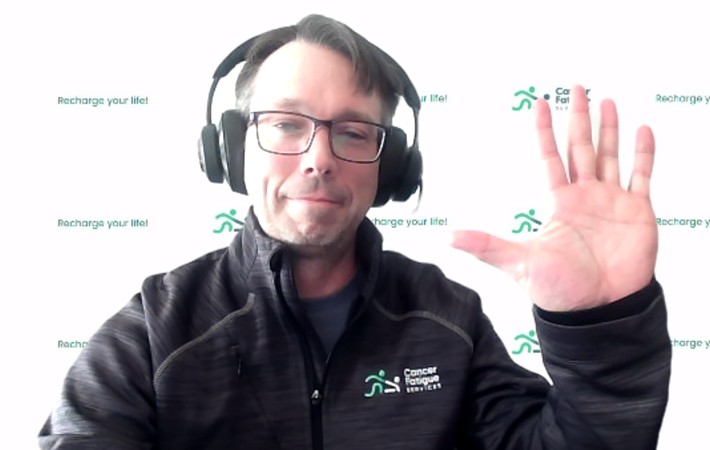
Clinic’s Perspective: Tim Marnoch, Director of Customer Care & Service
Tim Marnoch, Director of Customer Care at Cancer Fatigue Services, reflects on his journey from the insurance industry to fatigue care—combining problem-solving, empathy, and teamwork to help people reclaim their energy and independence.
Healthcare Providers

Clinician’s Perspective: Matthew Dhanushan, Clinical Exercise Physiologist
In this edition of Clinician’s Corner, exercise physiologist Matthew Dhanushan shares how cardiopulmonary exercise testing (CPET) plays a vital role in designing safe, personalized exercise plans for individuals living with cancer-related fatigue. His clinical and research experience brings valuable insight into the science behind targeted fatigue management.
Healthcare Providers
Patient Support Advice

Clinician’s Perspective: Luana Pereira, Registered Social Worker and Psychotherapist
Step into the world of oncology care through the eyes of Luana Pereira, MA Clin. Psych., MSW, RSW. From witnessing cancer’s impact as a teenager to providing compassionate care as an oncology social worker, Luana shares powerful reflections on resilience, trauma, and the healing power of connection. In this heartfelt writing, she explores how navigating cancer-related fatigue goes beyond physical symptoms—it’s about finding strength, redefining hope, and building meaningful support networks. Learn how empathy and understanding can transform the cancer journey.
Healthcare Providers

Cancer-Related Fatigue: Prevalent, Burdensome, and Unaddressed…Until Now!
Cancer-related fatigue is a prevalent side effect experienced by up to 95% of cancer patients, with 30% suffering significant fatigue even five years post-treatment with many patients likely requiring but not receiving adequate personalized fatigue care.
Healthcare Providers

Regulated Health Professionals and Cancer-Related Fatigue: We All Play a Role
Understanding what other Regulated Health Professionals do and how they play a key role in cancer treatment at different points of the patient’s cancer journey, can be critical to providing the best possible care.
Define You ‘Tired’.
Use our Cancer Fatigue Analyzer to better understand your fatigue.
Unlock new insights into your personal fatigue risk, severity, impact, and care needs.


